Mariuccia Secol: Unraveling
A staged cinematic prologue to the exhibition at Muzeum Susch
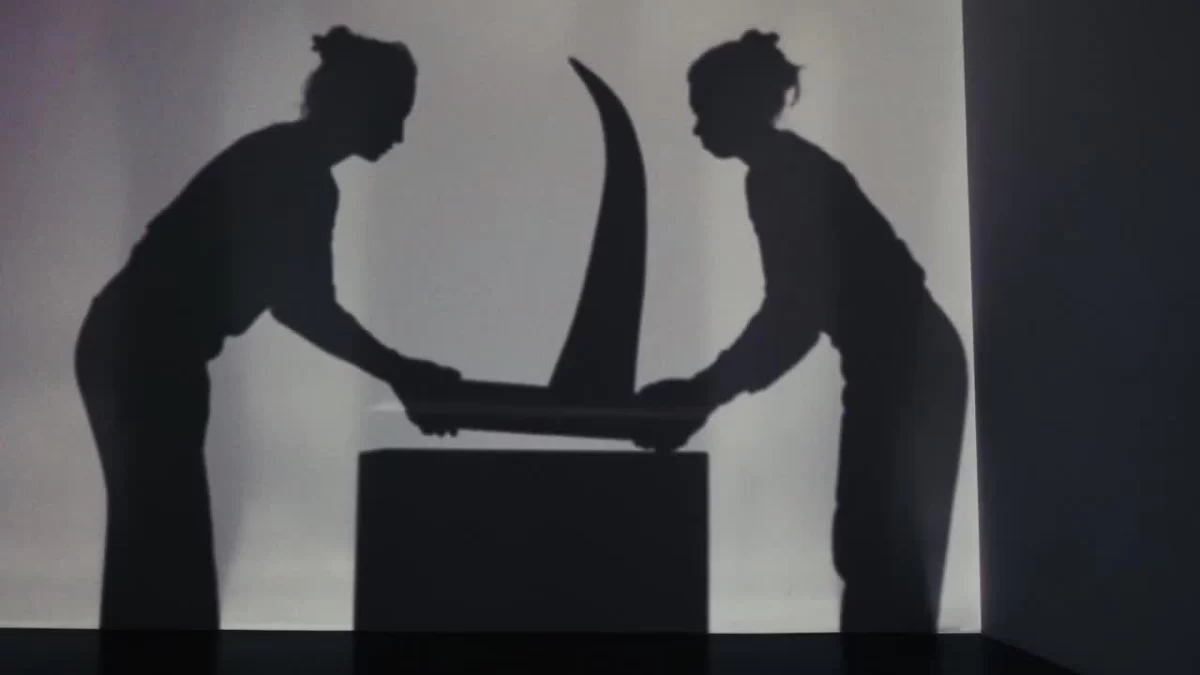
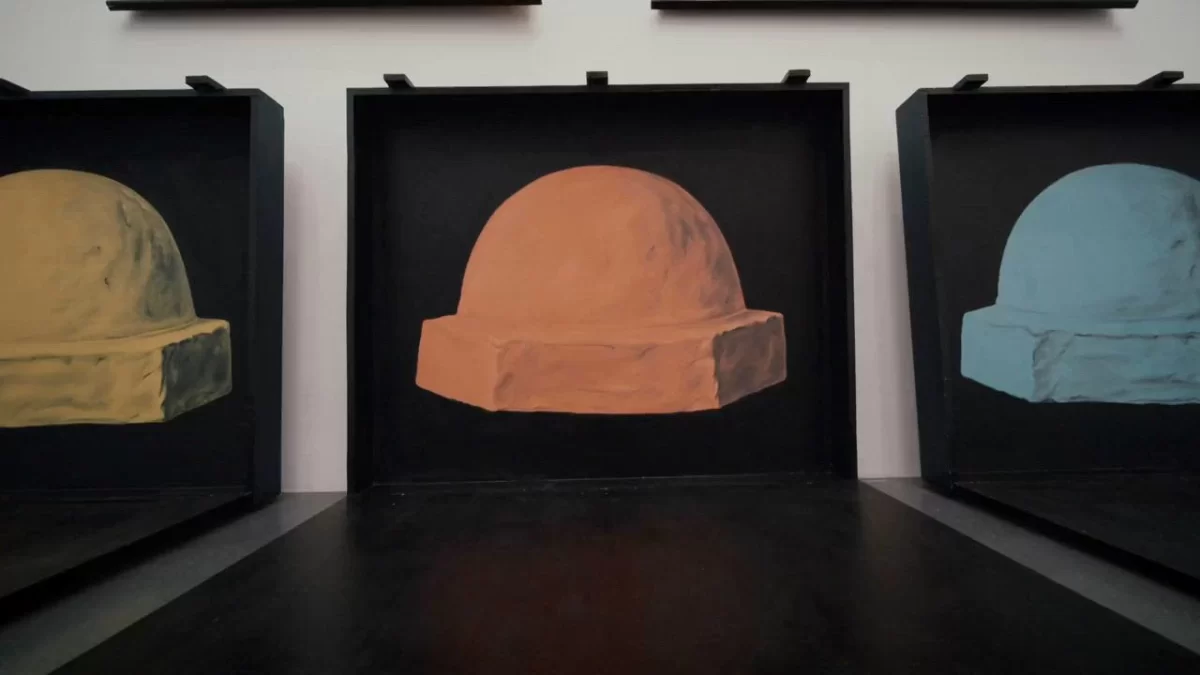
The teaser approaches Mariuccia Secol’s practice through material and gesture. In a setup arranged for the camera, selected works are handled with care; close-ups reveal fabric, thread and metal as light moves across their surfaces.
The scenes do not document the actual exhibition installation. They translate Secol’s processes of unravelling, revealing and reassembling into a concentrated cinematic form.
Exhibition Documentation
This film takes viewers through Unraveling, the first comprehensive institutional retrospective devoted to Italian artist and activist Mariuccia Secol at Muzeum Susch. Curated by Monika Branicka and Eva Brioschi, the exhibition spans more than seventy years of a practice that brings radical feminism, social critique and historical reckoning into dialogue.
The film begins with a refusal: of silence, of prescribed roles, and of the idea that art can be separated from life. Secol's early paintings from the 1950s and 1960s carry the weight of a century marked by war—images that do not illustrate violence but inscribe it into the surface, into the material itself. Her work in the painting studio of a psychiatric clinic in Varese, together with the social upheavals of the late 1960s, fundamentally changed her understanding of art: care shifted from the private to the political.
Secol turned away from canvas and towards everyday materials—aprons, steel wool and household textiles—which she later described as “instruments of the female role.” In works such as The Doll's House, she dismantled her own clothing, including her wedding dress, to create headless and faceless figures: not portraits, but visible structures of expectation and role. In 1974, together with her daughter Mirella and other artists, she founded the feminist group Immagine, which joined the international “Wages for Housework” campaign and participated in the 1978 Venice Biennale. This period also gave rise to Secol's characteristic technique: pulling threads from fabric to open fissures she called “stretch marks”—traces of the body and of injury through which light, and another kind of knowledge, can enter.
In her later work, her view expands beyond personal experience: migration, ecological collapse and forms of structural violence join her early feminist concerns—not as separate struggles, but as interconnected expressions of the same structures. In quiet, material-focused images, the film follows this visual language as it developed over more than seven decades, allowing Secol's persistent desire to imagine “another way of living” to resonate in the present.
Project overview
- Client
- Muzeum Susch
- Year
- 2026
- Location
- Muzeum Susch, Susch
- Services
- Film production, Cinematography, Editing
- Deliverables
- Exhibition teaser, Exhibition documentation
- Partners & contributors
-
- Matthias Kappeler · Cinematography
- Thilo Gundelach · Editing
- Matej Tadić · Assistant